
Why You’re Wide Awake at 3 AM: The Truth About Sleep After 40
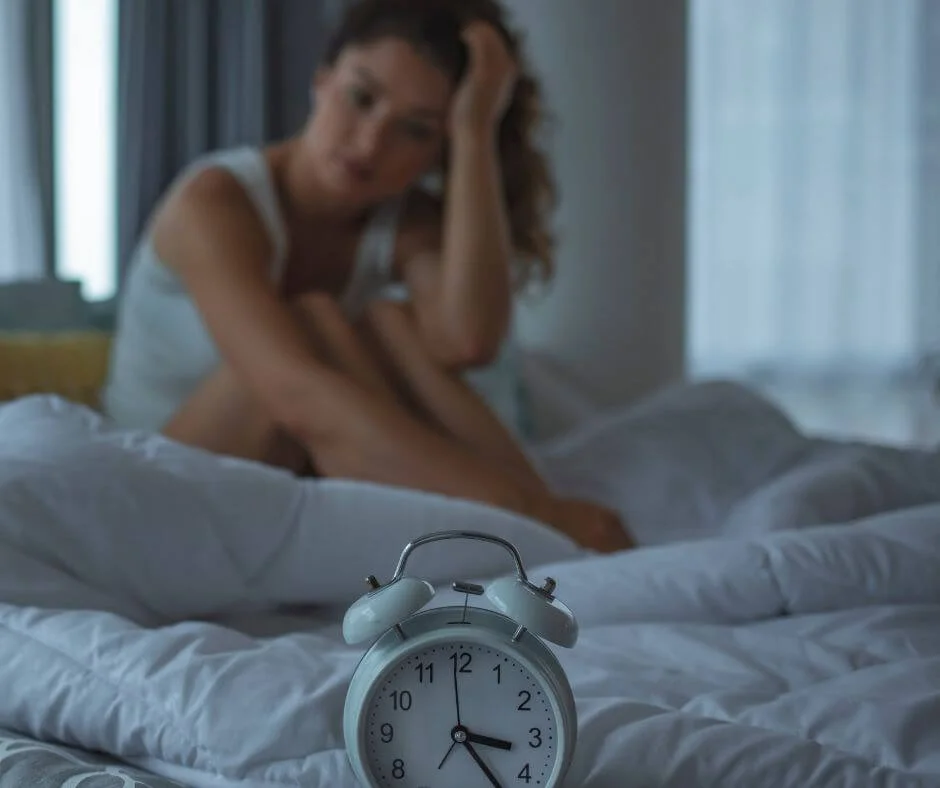
Welcome to the 3 AM club, where membership is involuntary and the only perk is seeing every hour on your clock. If you’re reading this at an ungodly hour, exhausted but wired, you’re in excellent company.
Here’s what’s actually happening to your sleep after 40 and why “sleep hygiene” advice feels like a cruel joke.
Sleep Problems After 40: The Perfect Storm Nobody Warned You About
Your sleep isn’t broken—it’s responding to a hormonal group project where nobody’s doing their part. Estrogen’s dropping out, progesterone’s gone AWOL, cortisol’s pulling all-nighters, and your brain is the only one trying to maintain order.
The changes happening simultaneously:
- Progesterone (nature’s Valium) plummets, taking your deep sleep with it
- Estrogen fluctuations mess with body temperature regulation
- Cortisol loses its rhythm, spiking when it should drop
- Blood sugar becomes a midnight roller coaster
- Your nervous system forgets how to downshift
Meanwhile, your doctor suggests “better sleep hygiene” like you haven’t already tried lavender everything and still ended up doom-scrolling at 2 AM.
Middle of the Night Insomnia: Why 3 AM Is Your New Wake Time
That 2-4 AM wake-up isn’t random. It’s so common among women over 40, we should have membership cards and a secret handshake.
The 3 AM wake-up decoded: If you fall asleep fine but wake at 2-3 AM, that’s cortisol crashing your sleep party. Your body thinks it’s morning because your stress hormones are confused.
The hot flash wake-up: Suddenly burning up at night? Progesterone regulated your internal thermostat. Without it, your body overreacts to tiny temperature changes like a broken smoke detector.
The anxiety special: Wake up with racing thoughts about that thing you said in 2003? That’s low blood sugar triggering adrenaline, which your brain interprets as “DANGER!” even though the only danger is your kid’s science project due tomorrow.
Reality check: Studies show 61% of women over 40 experience regular sleep disruption. The other 39% are lying or haven’t hit perimenopause yet.
Waking Up at Night After 40: The Patterns That Explain Everything
Your wake-up time tells you exactly what’s wrong. Consider yourself a sleep detective.
Fall asleep easily, wake at 2-3 AM: Classic cortisol dysregulation. Your stress hormones are time-zone confused.
Can’t fall asleep until midnight: Your circadian rhythm shifted. Common after 40 when melatonin production drops.
Wake up sweating: Estrogen and progesterone are playing temperature ping-pong with your hypothalamus.
Wake up to pee (multiple times): Declining estrogen affects bladder capacity AND sleep depth. Double whammy.
Sunday night insomnia: Revenge bedtime procrastination meets work anxiety. Your only “me time” is stealing from sleep.
Can’t Sleep After 40: What Actually Helps (Not Just “Meditate More”)
Before you buy another sleep supplement or download another meditation app, let’s talk about what actually moves the needle.
The Blood Sugar Fix
Your 3 AM wake-up might be hunger in disguise. When blood sugar drops, cortisol rises to compensate, and boom—you’re awake.
The fix: A bedtime snack with protein and complex carbs. Think almond butter on whole grain toast, not wine and Netflix. Boring? Yes. Effective? Also yes.
The Temperature Hack
Your body needs to cool down to sleep deeply. After 40, this mechanism gets wonky.
What works:
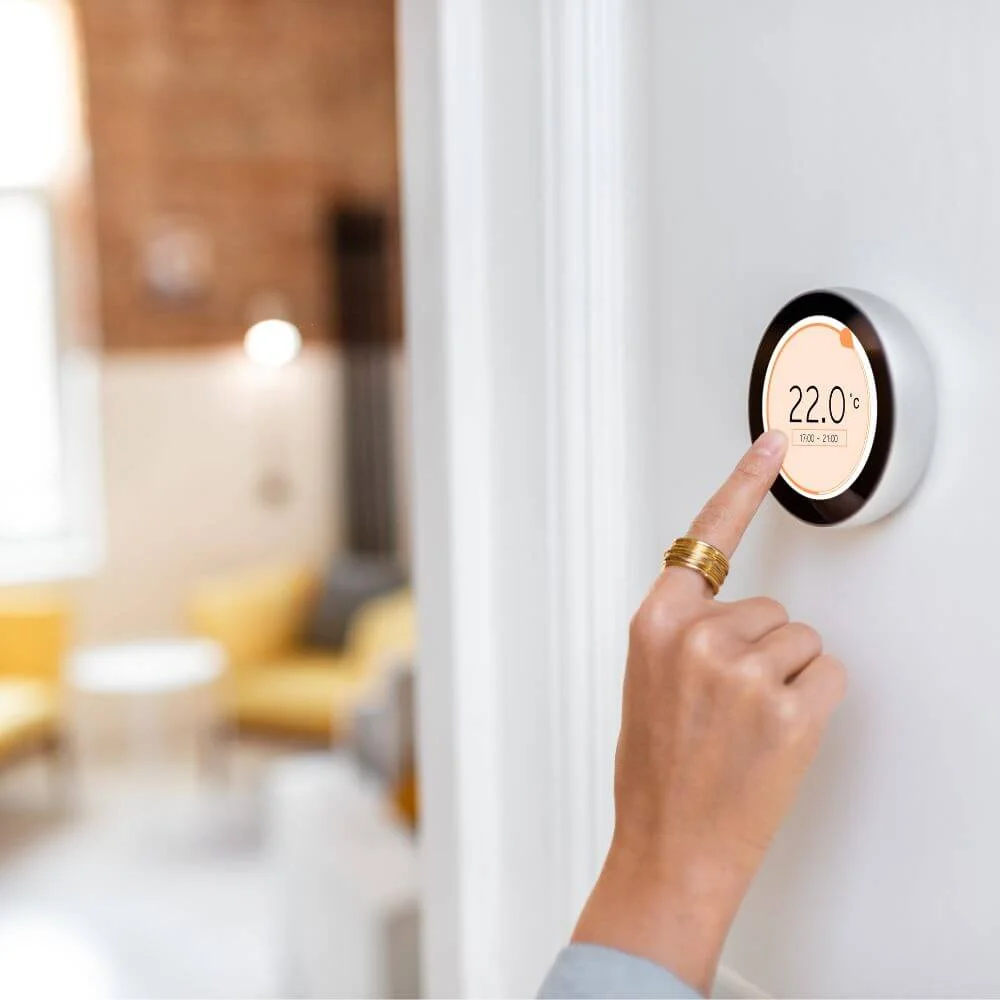
- Keep bedroom at 65-68°F (your partner can deal)
- Cooling mattress pad (game-changer for night sweats)
- Feet out from covers (weird but works)
- Cold shower before bed (increases sleepiness as body warms back up)
The Nervous System Reset
Your stressed-out nervous system doesn’t know how to downshift anymore. It needs training wheels.
The 4-7-8 breath that actually works:
- Inhale for 4
- Hold for 7
- Exhale for 8
- Repeat 4 times
This physiologically forces your nervous system into parasympathetic mode. Can’t argue with biology.
Movement That Helps Sleep
Exercise helps, but timing matters. Morning workouts improve nighttime sleep. Evening HIIT guarantees you’ll be wired at midnight.
The sweet spot: Gentle movement in the evening like walking, stretching, or rhythmic hip movements. Think flowing, meditative movement that calms your nervous system without amping you up.
Menopause Insomnia Solutions: Beyond the Usual Advice
Everyone says “practice good sleep hygiene.” Here’s what actually helps when hormones are the problem:
Magnesium glycinate: 400mg before bed. It’s not a sedative but helps muscles and nerves relax. Most women over 40 are deficient anyway.
Progesterone support: Talk to your doctor about bioidentical progesterone. It’s not for everyone, but when it works, it WORKS.
The “second wind” prevention: That burst of energy at 9 PM? That’s cortisol. Dim lights at 8 PM to prevent it. Yes, this means putting your phone down. I know, I know.
The worry window: Set a timer for 10 minutes at 7 PM to write down everything worrying you. Your brain can let go when it knows concerns are documented.
The One Thing to Try Tonight
Forget the 47-step bedtime routine you’ll never maintain. Try this:
The 3-2-1 Wind-Down:
- 3 hours before bed: No more big meals
- 2 hours before bed: No more work
- 1 hour before bed: No screens
Too simple? That’s the point. Your overcomplicating everything is part of why you can’t sleep. Start here. Add fancy stuff later if needed.
Most women see improvement within a week. Not perfection—improvement. At this stage, we’ll take it.
The Bottom Line on Sleep After 40
Your sleep changes after 40 aren’t a character flaw or a stress management failure. They’re a biological reality of shifting hormones, accumulated stress, and a nervous system that’s been in overdrive for decades.
Stop expecting to sleep like you’re 25. Start working with your body’s new reality. Sometimes that means supplements, sometimes hormones, sometimes just accepting that 3 AM is your new thinking time.
The sleep industry wants to sell you solutions for a problem that’s not entirely fixable. Some improvement? Absolutely. Sleeping like a teenager? Not happening. Make peace with good enough.